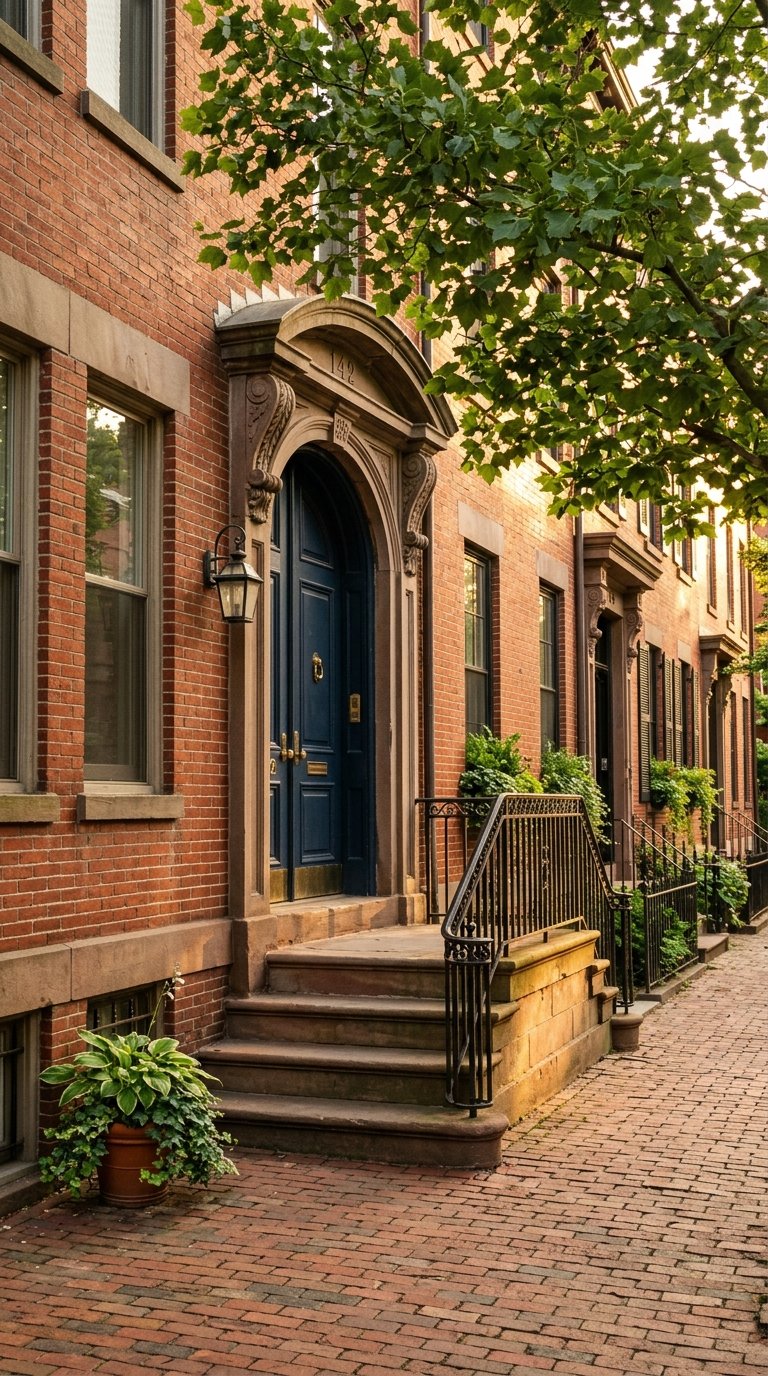
If you picture downtown living as either nonstop crowds or a quiet historic backdrop, Bethlehem offers something more balanced. You get a city center with deep history, active local business districts, and daily routines that can feel surprisingly practical. Whether you are thinking about moving closer to downtown or simply want to understand what life looks like there, this guide will walk you through the rhythm, conveniences, and tradeoffs of everyday life around historic Downtown Bethlehem. Let’s dive in.
Downtown Bethlehem Has Two Active Centers
One of the first things to know is that Bethlehem does not revolve around just one downtown block. City planning materials describe two downtown business districts, with activity on both the North Side and South Side.
That matters for daily life because your routines may naturally stretch across both sides of the Lehigh River. You might grab coffee or shop on one side, then head to dinner, trails, or an event on the other.
Adaptive reuse has also shaped the feel of both districts. Instead of a downtown that feels frozen in time, you get historic character mixed with active storefronts, restaurants, gathering spaces, and year-round commerce.
Walkability Is Real, But Not Car-Free
If you want a more walkable lifestyle, Downtown Bethlehem offers more options than many suburban settings. The city’s street design policy focuses on walking, biking, transit, and access to everyday destinations like restaurants and business districts.
You will also find a strong network of outdoor routes nearby. Monocacy Way, Sand Island Trail, the D&L Trail, and the South Bethlehem Greenway all support walking, biking, and casual recreation as part of normal daily life.
Bethlehem also reports more than 40 parks, which adds to the sense that outdoor access is built into the city. For many residents, that means it is easy to fit in a morning walk, a bike ride, or time outside without driving far.
Still, downtown is not fully car-free. The Bethlehem Parking Authority notes that garages and lots are often the most convenient and pedestrian-friendly choice for longer visits, while on-street meters remain common throughout both downtown districts.
In plain terms, you can often do more on foot here than in a typical shopping corridor, but you will probably still use a car for part of your routine. That blend is a big part of how downtown living works in Bethlehem.
Getting Around Often Means Crossing the River
In Bethlehem, the river is part of daily geography, not a barrier. During major events, ArtsQuest points visitors toward the Fahy Bridge for walking between the North Side and SouthSide, and also highlights the free LANTA Gold Line.
That reflects something locals already know. Everyday movement around downtown often includes both sides of the city, so your experience is shaped by how easy it is to move back and forth.
For buyers considering location, this is helpful context. A home near one downtown district may still keep you closely connected to the other, especially if you enjoy walking, biking, or planning outings around the city center.
Dining and Shopping Shape the Daily Routine
Daily life around historic Downtown Bethlehem is not just about architecture. It is also about how often you can step out for dinner, meet friends, browse local shops, or enjoy a change of scene without planning a full trip.
The city’s visitor materials frame Bethlehem around dining, shopping, nightlife, outdoor recreation, family attractions, sports, and seasonal programming. That broad mix gives downtown an everyday usefulness, not just weekend appeal.
Local restaurant listings reinforce that feeling. Downtown dining options are often built around outdoor seating, brunch, patios, happy hour, rooftop views, and later-night service, which helps keep the area active throughout the day and evening.
You also see the historic identity woven into practical errands and casual browsing. The Moravian Book Shop on Main Street is a great example, serving as both a working retail stop and a visible part of the downtown’s long-standing character.
Events Keep the Area Social Year-Round
Some downtowns feel lively only a few times a year. Bethlehem is different. The Downtown Bethlehem Association says it has more than 120 members and organizes over 90 events each year across both downtowns.
That steady calendar shapes how the city feels to live in. Regular programming like Restaurant Weeks, Tunes at Twilight, Harvest Festival, the Live Advent Calendar, and Christmas City Village creates recurring reasons to be out and about.
For some homeowners, that energy is a major plus. You can feel connected to community life without having to search for things to do.
For others, it is important to think about pace and traffic. Living near a highly active downtown usually means more visitors, especially during peak seasons and major events.
Summer and Winter Have Very Different Rhythms
Bethlehem has a strong seasonal identity, and that affects everyday life downtown. Summer brings one kind of energy, while late fall and winter bring another.
ArtsQuest describes Musikfest as a 10-day August festival with more than 500 performances on 16 stages and 1.4 million visitors. SteelStacks also hosts thousands of events each year, which means the broader downtown area stays active well beyond a single festival weekend.
If you enjoy lively streets, live entertainment, and a steady flow of activity, that can be a real advantage. If you prefer quieter surroundings, it is worth understanding how event traffic may change your normal routine during busy periods.
Winter is especially distinctive in Bethlehem. Christkindlmarkt, the Central Moravian Putz, the Christmas City Stroll, and the Live Advent Calendar all contribute to a late November through December season that is especially busy around Main Street.
That holiday rhythm is part of what makes Bethlehem memorable. For many residents, it is not just something to visit once. It becomes part of the yearly pattern of living here.
Historic Character Comes With Real Upkeep
The charm of historic Downtown Bethlehem is easy to see, but ownership here is also practical. Historic preservation is part of everyday life for many property owners.
On the North Side, the HARB reviews exterior changes in the Bethlehem Historic District. In South Bethlehem and Mount Airy, exterior work may go through the HCC process.
This does not mean owning a home downtown is difficult, but it does mean changes to the exterior may involve review requirements. If you are considering a historic or downtown-adjacent property, it helps to understand that preservation is an active part of how the city protects its character.
Bethlehem’s Moravian Church Settlements were inscribed on the UNESCO World Heritage List in 2024, which helps explain why preservation matters so much here. The same qualities that attract visitors and buyers also shape what ownership looks like over time.
Housing Near Downtown Offers Variety
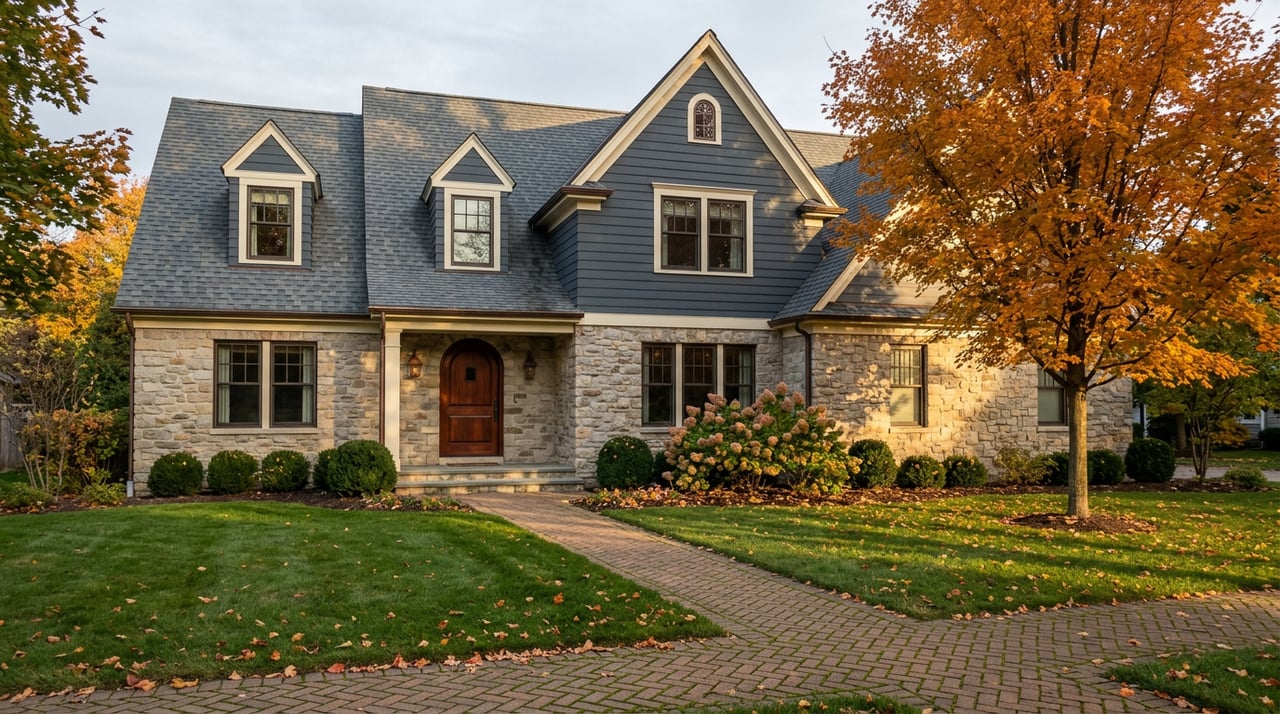
If you are thinking about buying near historic Downtown Bethlehem, the housing stock is one of the area’s biggest draws. The city’s housing study describes a mix of older rowhouses, stately historic homes, pre-2000 suburban-style single-family homes, and newer revitalization projects in the historic center.
That variety gives buyers more than one path into the area. You may find a character-filled attached home, a detached historic property, or something that blends a central location with more updated features.
The same study reports a median housing age of 1955. It also notes that about 65% of the housing stock is single-family attached or detached, with fewer than 10% large multi-family buildings.
For many buyers, the takeaway is simple. Downtown-adjacent living often means older homes, smaller buildings, and a more established streetscape than you might find in newer developments.
What Buyers Should Weigh Before Moving Here
Living near historic downtown can be a great fit, but it helps to be clear-eyed about the tradeoffs. Bethlehem’s own housing analysis points to a mix of strong walkability, character homes, older-home upkeep, and historic-review requirements for some exterior changes.
Here are a few practical questions to ask yourself:
- Do you want easier access to restaurants, events, trails, and parks?
- Are you comfortable with the upkeep that can come with an older home?
- Would you enjoy seasonal crowds and city energy, or would that feel like too much?
- Do you want a neighborhood where daily errands and social outings can be closer together?
- Are you open to balancing walkability with the reality that you may still drive for some trips?
There is no single right answer. The key is matching the lifestyle to your day-to-day priorities.
Why Downtown Bethlehem Appeals to So Many Buyers
What makes this area stand out is the combination of character and usability. You are not choosing between history and convenience quite as sharply as you might in some other places.
Around historic Downtown Bethlehem, you can find preserved architecture, active business districts, trails, parks, dining, shopping, and a steady event calendar all woven into regular life. That mix gives the area a sense of place that feels both rooted and active.
If you are relocating to the Lehigh Valley or moving within the region, this part of Bethlehem is worth a close look. It offers a lifestyle that feels connected, walkable, and distinctive, while still asking you to think practically about parking, upkeep, and seasonal activity.
When you are ready to explore homes near Downtown Bethlehem or want help understanding how location affects daily life, Witt Real Estate Group can help you compare options and find the right fit.
FAQs
What is everyday life like around historic Downtown Bethlehem?
- Everyday life around historic Downtown Bethlehem blends walkability, dining, shopping, trails, parks, and a busy event calendar across both the North Side and South Side downtown districts.
Is historic Downtown Bethlehem walkable for daily errands and outings?
- Bethlehem supports walking, biking, transit, and access to daily destinations, but most residents still use cars for some trips and rely on garages, lots, or metered parking.
What kinds of homes are near historic Downtown Bethlehem?
- Housing near downtown includes older rowhouses, historic homes, pre-2000 single-family properties, and some newer revitalization projects in the historic center.
What should buyers know about owning a historic home in Bethlehem?
- Buyers should know that some exterior changes may be subject to historic review processes, and older homes may come with more upkeep than newer construction.
Does Downtown Bethlehem get busy during festivals and holidays?
- Yes. Summer events like Musikfest and winter traditions around Main Street can bring significantly more activity, visitors, and traffic to downtown areas.
Is Downtown Bethlehem a good fit for relocating buyers?
- Downtown Bethlehem can appeal to relocating buyers who want historic character, a connected city feel, and access to restaurants, events, and outdoor spaces within a more established setting.