If you are thinking about life in Allentown, a park nearby can shape your routine more than you might expect. A quick morning walk, an easier place to run, room for a weekend outing, or access to a trail after work can all change how a home feels day to day. In Allentown, the bigger story is not just living near a single park. It is living near one of the city’s park corridors and greenways. That is what makes the area especially interesting for buyers and sellers alike. Let’s dive in.
Why park corridors matter in Allentown
Allentown’s Comprehensive Recreation and Park Plan describes the city’s riparian parks and trails as the spine of a broader greenway system, not as isolated amenities. In plain terms, that means your experience often depends on which corridor you live near, not just whether a park is a few blocks away.
For you as a buyer, that can help narrow your home search in a more practical way. For you as a seller, it can also help explain your home’s lifestyle appeal more clearly. Instead of saying a home is “near parks,” it is often more useful to talk about access to the Little Lehigh corridor, Cedar Creek, Jordan Creek, or the D&L trail area.
Lehigh Parkway living
Lehigh Parkway is one of Allentown’s strongest examples of a daily-use green corridor. The Little Lehigh Parkway spans 629 acres and includes more than seven miles of scenic pathways, giving you space for walking, running, biking, and seasonal events.
This corridor tends to feel like a scenic retreat woven into everyday city life. The parkway also includes landmarks like Bogert’s Covered Bridge, and the city continues to invest in rehabilitation work there. That matters if you are looking for an area where park access is part of the long-term public focus.
What daily life can look like here
Living near Lehigh Parkway can mean easier access to outdoor routines without needing a full day plan. A short walk or bike ride can lead to long pathway stretches, open views, and a setting that feels different from a standard neighborhood park.
The city also uses this corridor for seasonal events like Lights in the Parkway, which transforms more than a mile of the area. That adds a community event element to what is already a strong recreation space.
Trexler Memorial Park adds another layer
Trexler Memorial Park connects well with this west-side green network. It covers 155.8 acres and includes about three miles of trails, along with open fields, wooded areas, a pond, restrooms, and historic features such as the spring house.
The city’s park plan highlights wayfinding, trail access, and winter lighting as ongoing access topics there. For you, that is a reminder that convenience is not just about acreage. It is also about how easy a park is to use in real life, across seasons and routines.
Cedar Creek and Cedar Beach access
If Lehigh Parkway leans scenic and trail-focused, Cedar Beach Park leans more active and program-oriented. Cedar Beach covers 72.7 acres within the Cedar Creek Greenway and includes a destination playground, nine basketball courts, four volleyball courts, two pavilions, an exercise park, restrooms, and a walking trail around Lake Muhlenberg.
This is the kind of park setting that can support a wider mix of activity in one place. You may be looking for a simple walking loop, a playground, or organized recreation options. Cedar Beach stands out because it combines those uses in a way many buyers notice quickly.
A corridor with activity built in
The city uses Cedar Beach for recurring recreation programming and aquatics activity. That means the park is not just open space on a map. It is part of how many residents use public amenities week to week.
For everyday living, that can be a major plus. It gives you options for both planned activities and spontaneous outdoor time without leaving the city.
West Park and historic surroundings
West Park adds a different kind of appeal. It is tied to Allentown’s oldest park identity, and the city’s historic preservation records note that the West Park Historic District is centered on the city’s first park.
The surrounding homes are described by the city as good examples of Colonial Revival and Queen Anne styles. If you are drawn to older housing stock and established streetscapes, this corridor has a distinct architectural identity that sets it apart from other parts of Allentown.
Lifestyle here is about place and pattern
West Park is also used for free summer concert programming. That gives the area a steady community rhythm beyond the physical park space itself.
For buyers, that can mean a neighborhood experience shaped by historic homes, mature surroundings, and public events. For sellers, it can be a helpful way to frame location in a factual, lifestyle-oriented way.
Jordan Creek and Center City convenience
Closer to the city core, Jordan Park is a major recreation node with 30.6 acres. It includes fields, a playground, restrooms, an exercise park, a skatepark, and the Jordan Creek Greenway Trail.
One feature stands out in daily life terms. The city notes that this trail is one of the few fully lighted trails in the park system. If you are trying to picture early-morning walks, evening strolls, or flexible routine use, that kind of detail matters.
Why this corridor works for everyday use
Jordan Park combines several functions in one place, which is part of its appeal. It supports routine walking, active recreation, and casual outdoor time without requiring a long trip across town.
Jordan Meadows adds another piece to the same center-city greenway network with a basketball court, multi-use field, handball courts, and Jordan Creek access. The city also notes access and crosswalk issues there, which is useful context if you are comparing how different greenway areas feel on foot.
East-side trail living along the D&L corridor
On the east side, the D&L Trail offers a different version of park-connected living. The Allentown segment is a little over four miles long and is part of a 165-mile regional trail system.
That makes this corridor especially notable if you value longer-distance trail potential and a riverfront setting. At the same time, the city notes that access, signage, lighting, and missing trail connections are still part of ongoing planning work.
An area that is still evolving
The city’s capital projects page says a new multi-use paved trail is being designed from North Bradford Street through Kimmett’s Lock to the city boundary. Canal Park is also part of this east-side trail and water network, though the park plan notes access and wayfinding challenges there.
For you, that means the riverfront trail environment is meaningful today but still developing. If you like areas with visible public investment and future connectivity potential, this corridor may stand out.
What homes near greenways can look like
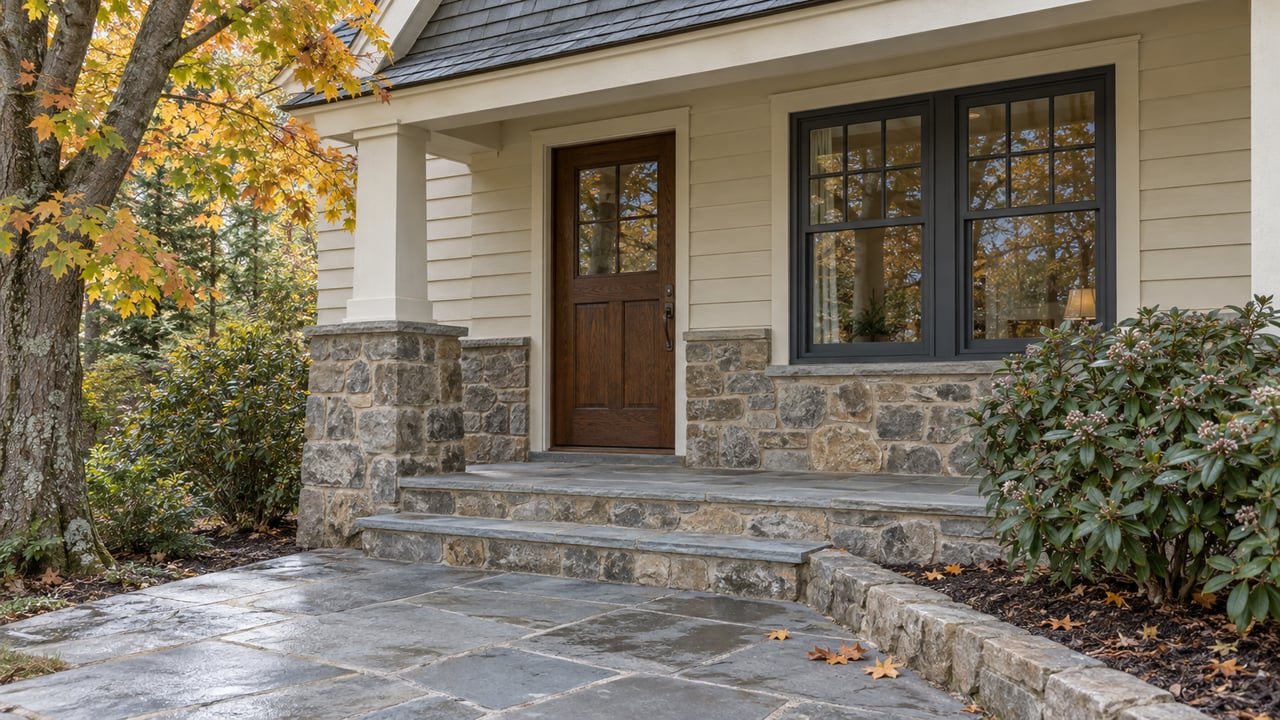
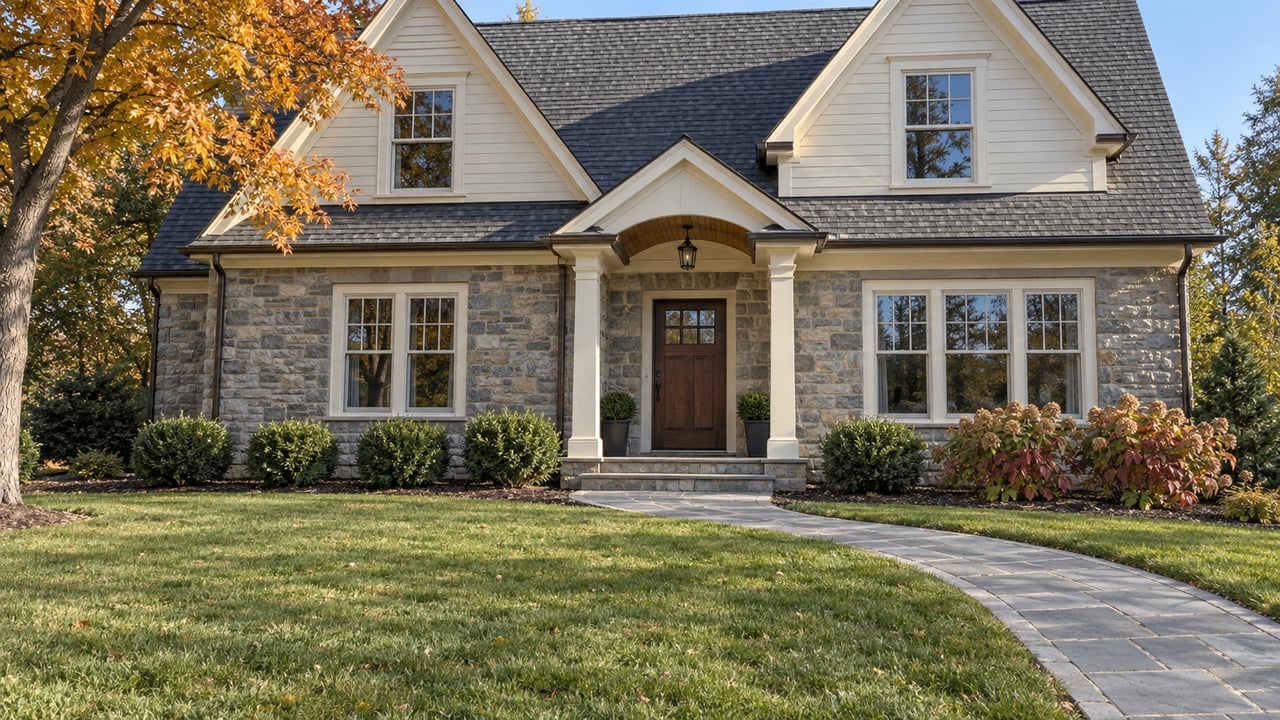
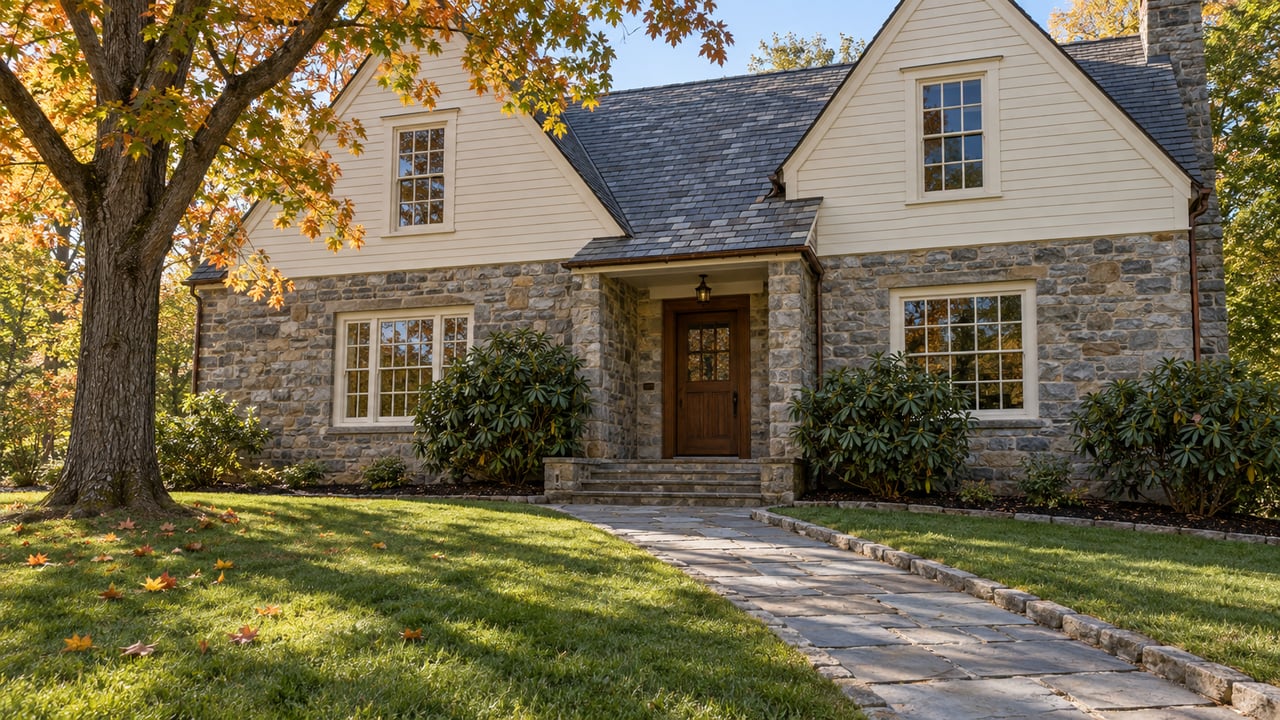
One of the most useful things to know about Allentown is that park-adjacent housing is not one single style or price point. The city’s historic preservation records and citywide housing data point to a mixed housing landscape, especially near older park corridors.
In Old Allentown, the city describes a mix of Federal, Italianate, Eastlake, and Victorian housing styles. It also notes that attached rowhouses and semi-detached twins are the prevalent building forms. That gives you a sense of the older urban fabric near central greenway areas.
Historic areas and citywide variety
Old Fairgrounds is described by the city as a mix of Victorian-style homes. Around West Park, the housing stock reflects Colonial Revival and Queen Anne styles. These details can help you understand the architectural character tied to some of Allentown’s best-known park areas.
Citywide, Allentown has an owner-occupied housing rate of 43.2%, a median value of owner-occupied homes of $206,600, and a median gross rent of $1,317. Taken together, those figures suggest a mixed owner-renter market rather than a uniformly owner-occupied one.
How park access fits into commuting
Parks and greenways shape daily life, but they do not replace the bigger transportation picture. In Allentown, car commuting is still the default for many households.
The Census Bureau reports a mean travel time to work of 24.6 minutes. The city’s Vision 2030 plan also says most workers commute by car, and 60% had a commute over 15 minutes in the planning survey used by the city.
Why this still matters for buyers
Even in a car-oriented city, nearby trails and parks can improve your shorter daily trips and routines. The city’s transportation planning and 2025 Bike Plan emphasize safer bike lanes, trail connections, and more usable walking and bicycling networks.
LANTA’s Allentown Transportation Center at 6th and Linden serves as the city’s central transit hub, with service to destinations across the Lehigh Valley. The city’s park plan also points to trail-to-transit links as an improvement topic at places like Trexler Memorial Park and Lehigh Parkway.
A practical way to think about location
If you are early in your search, it can help to think in terms of corridors instead of trying to rank parts of the city. The west side around West Park and Cedar Creek tends to read as historic park living with active recreation. Center City around Jordan Creek tends to offer denser greenway access. The riverfront and D&L area reads more like trail-and-canal living with ongoing improvements.
That framework is useful because it matches how the city itself describes its park system. It also helps you connect home choices to real routines, from walking and biking to events and weekend use.
If you are selling, this same corridor-based approach can help position your home more clearly. Buyers often respond well when they can picture how they would actually use a nearby park or trail in everyday life.
At Witt Real Estate Group, we help buyers and sellers make sense of Allentown’s block-by-block lifestyle details, from park access to housing style to the bigger picture of how a location fits your goals. If you are thinking about making a move in Allentown or anywhere in the Lehigh Valley, connect with Witt Real Estate Group to start the conversation.
FAQs
What is the biggest park corridor in Allentown for daily trail use?
- Lehigh Parkway is one of the city’s largest and most established daily-use trail environments, with 629 acres and more than seven miles of scenic pathways.
Which Allentown park area offers more active recreation amenities?
- Cedar Beach Park is one of the strongest options for active recreation, with basketball courts, volleyball courts, a playground, an exercise park, pavilions, restrooms, and a walking trail around Lake Muhlenberg.
What makes Jordan Park useful for everyday living in Allentown?
- Jordan Park combines fields, a playground, an exercise park, a skatepark, restrooms, and access to one of the few fully lighted trails in the park system, which supports flexible daily use.
What types of homes are common near older Allentown park areas?
- Near older park corridors and historic districts, you may see attached rowhouses, semi-detached twins, and other historic housing styles including Federal, Italianate, Eastlake, Victorian, Colonial Revival, and Queen Anne homes.
Is Allentown a walkable and bike-friendly city for everyday errands?
- Allentown is still largely car-oriented, but the city is actively working on safer bike lanes, trail connections, and walking networks, especially around key park and greenway corridors.
Does the east side of Allentown have trail access?
- Yes. The east side includes the D&L Trail corridor, where the Allentown segment runs a little over four miles and connects to a much larger regional trail system, with additional trail improvements in planning.