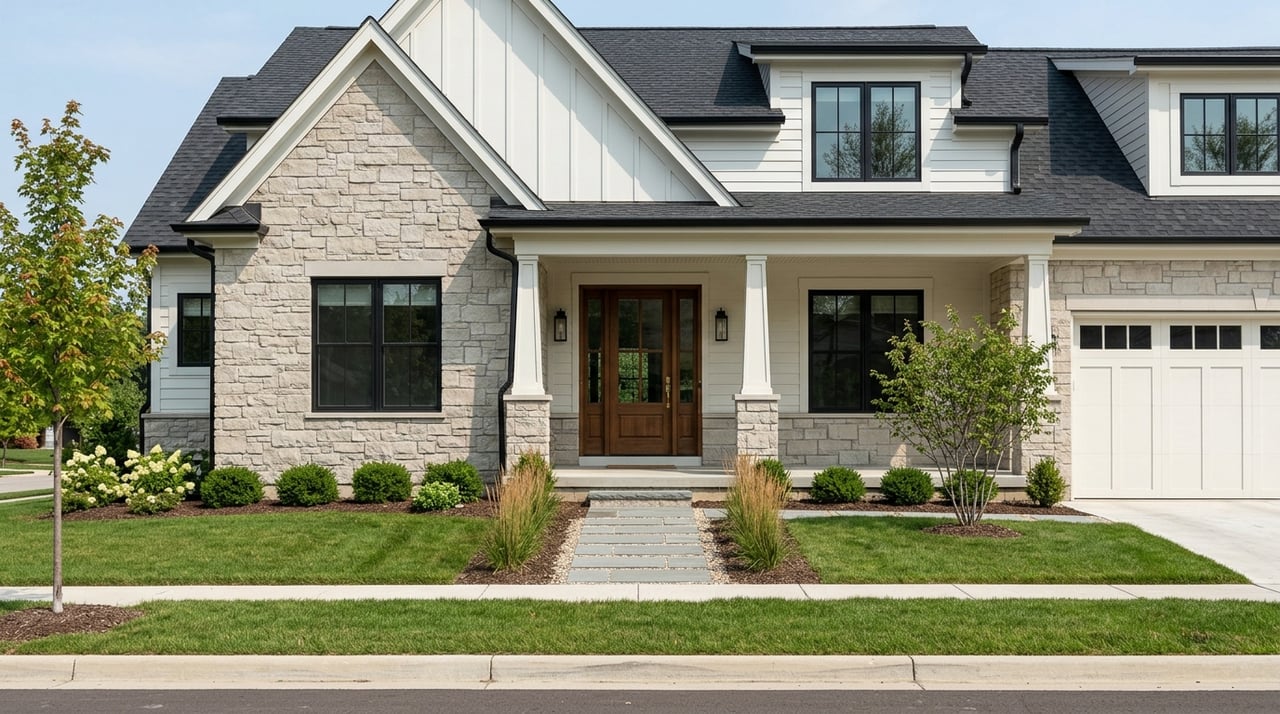
Buying new construction in Center Valley can feel simple at first. You pick a floor plan, choose finishes, and picture move-in day. But behind the model home experience, there are contracts, township approvals, inspections, taxes, and lot-specific details that can affect your timeline and your costs. If you want to buy with more confidence and fewer surprises, this guide will walk you through what matters most in Center Valley. Let’s dive in.
Why Center Valley Draws New Construction Buyers
Center Valley offers a practical mix of suburban living and regional access. The area sits within Upper Saucon Township, and day-to-day convenience is shaped in part by access near Interstate 78, Route 309, and Route 145.
For many buyers, that connectivity matters as much as the home itself. If you are relocating to the Lehigh Valley or moving within the region, Center Valley often stands out because it can make commuting and errands more manageable while still offering newer housing opportunities.
Center Valley is also within the Southern Lehigh School District footprint. For buyers comparing different parts of the Lehigh Valley, that is often part of the broader lifestyle and location review when weighing convenience, services, and long-term fit.
How New Construction Differs From Resale
A new construction purchase is not just a resale transaction with a newer house. In many cases, you are buying into a process that may still involve active construction timelines, builder deadlines, and approvals that need to happen before the home is ready for occupancy.
You may also be asked for a builder deposit early in the process. Before you sign, make sure you understand the exact amount, where it is held, and under what conditions it is refundable.
Another key difference is that builder convenience does not always equal buyer flexibility. You can ask direct questions about financing, title services, inspections, and deadlines so you know where you have options and where the builder has firm requirements.
Start With the Contract Terms
The contract is where many of the most important new construction decisions show up. It is worth slowing down and reviewing the terms carefully before you commit.
Ask clear questions about your deposit, your financing options, and your inspection rights. Buyers are not required to use the builder’s affiliated lender, and shopping around for financing can help you compare costs and loan terms.
It is also smart to ask whether the contract includes a financing contingency and an inspection contingency. Those protections can matter if your loan terms change or if serious issues come up during an inspection.
Contract questions to ask
- What is the builder deposit amount?
- Under what conditions is the deposit refundable?
- Can you use your own lender?
- Can you use your own title company or settlement provider?
- Does the contract include financing and inspection contingencies?
- What happens if construction is delayed?
Understand Upper Saucon Township Approvals
In Center Valley, local due diligence often means understanding Upper Saucon Township requirements. The township’s Community Development office handles subdivision and land development, zoning, on-lot sewage, tree cutting, building permits, inspections, and code enforcement.
That matters because your homesite may involve more than just a building permit. Depending on the property, additional approvals may be needed before the permit can be issued.
Upper Saucon Township states that permits, inspections, and a certificate of occupancy are required for a new house. The township also notes that approvals may be needed for zoning, grading, tree removal, geothermal or geotechnical review, curb-cut approval, on-lot sewage or sewer connection approval, water connection approval, demolition approval, and PennDOT highway occupancy approval where applicable.
Why lot due diligence matters
Not every homesite is equally simple. A lot that still needs grading review, utility connection approval, or access approvals may have a different timeline than one that is further along.
This is why you want to ask whether the lot is fully approved or still waiting on township or outside agency action. A beautiful floor plan does not tell you whether drainage, access, or utility steps are already resolved.
Local questions for the builder
- Is the homesite already approved for zoning and grading?
- Are sewage and utility approvals complete?
- Will the lot use public water and sewer, or is there a separate process involved?
- Is curb-cut or PennDOT approval still pending?
- Are there any tree removal or geotechnical issues affecting the lot?
Know the Permit and Occupancy Timeline
Pennsylvania requires a building permit before construction begins. A certificate of occupancy must also be issued before the building can be used.
Upper Saucon Township has opted in to the Pennsylvania Uniform Construction Code, and its designated building code official administers the code locally. The township states that complete residential permit applications must be reviewed and either issued or denied within 15 business days.
For you as a buyer, this is helpful context. It does not mean every home will move on the same exact schedule, but it does show that permit completeness and approval status can affect the timeline from the start.
If a question or dispute comes up during the process, Upper Saucon Township also has a Building Code Appeals Board for decisions involving permit applications, inspections, or certificates of occupancy. Most buyers will never need that process, but it is useful to know a local path exists if clarification is needed.
Do Not Skip an Independent Inspection
A new home can still have issues. That is why an independent home inspection matters, even when the property is brand new.
An inspection is different from an appraisal. The appraisal helps a lender assess value, while the inspection helps you understand the home’s condition and identify problems that may need attention before closing.
Try to schedule inspections early enough to address concerns before final deadlines. If your contract is contingent on a satisfactory inspection, that may give you the ability to cancel without penalty if serious defects are found.
Best inspection steps
- Ask what inspections are built into the builder’s process.
- Confirm whether you can bring your own inspector before drywall.
- Confirm whether you can bring your own inspector before closing.
- Attend the inspection if possible.
- Review any repair items or incomplete work before final walkthrough.
Plan for Insurance, Title, and Closing Costs
Closing on a new construction home still comes with the same major categories you would expect in many other purchases. That includes document review, title-related costs, and homeowner’s insurance planning.
In Pennsylvania, homeowner’s insurance is not mandatory under state law, but most lenders require coverage at least equal to the mortgage amount. If you are financing the purchase, plan to have insurance lined up well before closing so it does not slow down the final steps.
You should also ask who is handling settlement and title services. Independent settlement agents, including attorneys, may provide more objective advice and potentially lower costs.
Watch for Pennsylvania Transfer Tax Rules
Transfer taxes can be easy to overlook when you are focused on upgrades and construction progress. In Pennsylvania, there is a 1 percent state realty transfer tax, and Lehigh County’s Recorder of Deeds fee schedule says a 1 percent local realty transfer tax is also due at recording.
There is also a new-construction detail worth asking about. The Pennsylvania Department of Revenue explains that the value of an executory construction contract can be subject to realty transfer tax when that contract is effective before or at the same time as title transfer and the seller or developer and builder are affiliated.
If there is no affiliation, the construction agreement is not subject to that transfer tax. This is an important question to raise early so you understand how your transaction may be structured and what costs may apply.
Think About Radon Early
Radon is a practical issue for buyers in Pennsylvania. The Pennsylvania Department of Environmental Protection says the average residential radon level in the state is 7 to 8 pCi/L.
The statewide building code does not require radon-resistant new construction. Because of that, it is worth asking the builder whether a radon rough-in or mitigation-ready feature is included during construction.
DEP also notes that installing a radon system during construction is often less expensive than retrofitting later. After move-in, radon testing shortly after occupancy is recommended.
Ask About Larger Development Protections
If you are buying in a larger project, there may be another layer of due diligence to consider. Pennsylvania’s State Construction Notices Directory provides protections under the Mechanics’ Lien Law for projects costing at least $1.5 million.
Owners or their agents can file a Notice of Commencement, and the directory is used for related notices by owners, contractors, and subcontractors. If you are buying in a sizable development, it is reasonable to ask whether the project falls under these rules and how lien-notice compliance is being handled.
A Smart New Construction Checklist
Before you move forward on a Center Valley new construction home, keep this short checklist handy:
- Confirm the deposit amount and refund policy.
- Review financing and inspection contingency terms.
- Ask whether you can use your own lender and title provider.
- Verify which township approvals are complete and which are still pending.
- Ask about public water, sewer, or any separate utility approvals.
- Confirm inspection opportunities before drywall and before closing.
- Ask whether a radon rough-in is included.
- Clarify who pays transfer taxes and whether builder affiliation changes tax treatment.
- Ask whether the project is large enough to involve State Construction Notices Directory rules.
Buying new construction in Center Valley can be exciting, but it works best when you treat it like both a home search and a due diligence process. When you ask better questions about contracts, approvals, inspections, and closing costs, you give yourself a better chance of a smooth path to move-in day.
If you are weighing a new construction purchase in Center Valley or anywhere in the Lehigh Valley, Witt Real Estate Group can help you compare options, ask the right questions, and move forward with confidence.
FAQs
What should you ask about a Center Valley builder deposit?
- Ask for the exact deposit amount, when it is due, where it is held, and the specific conditions under which it is refundable.
What local approvals matter for new construction in Center Valley?
- In Upper Saucon Township, buyers should ask about zoning, grading, tree removal, sewage or sewer approval, water connection approval, curb-cut access, and any required PennDOT highway occupancy approval.
Can you use your own lender for new construction in Center Valley?
- Yes. Buyers are not required to use the builder’s affiliated lender, so you can shop around and compare financing options.
Why do you need an inspection on a new construction home in Center Valley?
- A new home can still have defects or incomplete work, and an independent inspection helps you identify issues before closing.
What transfer taxes apply to new construction in Center Valley?
- Pennsylvania imposes a 1 percent state realty transfer tax, and Lehigh County also applies a 1 percent local realty transfer tax due at recording.
Should you ask about radon in a new Center Valley home?
- Yes. Pennsylvania has elevated radon levels on average, the statewide code does not require radon-resistant new construction, and adding a system during construction may cost less than adding one later.