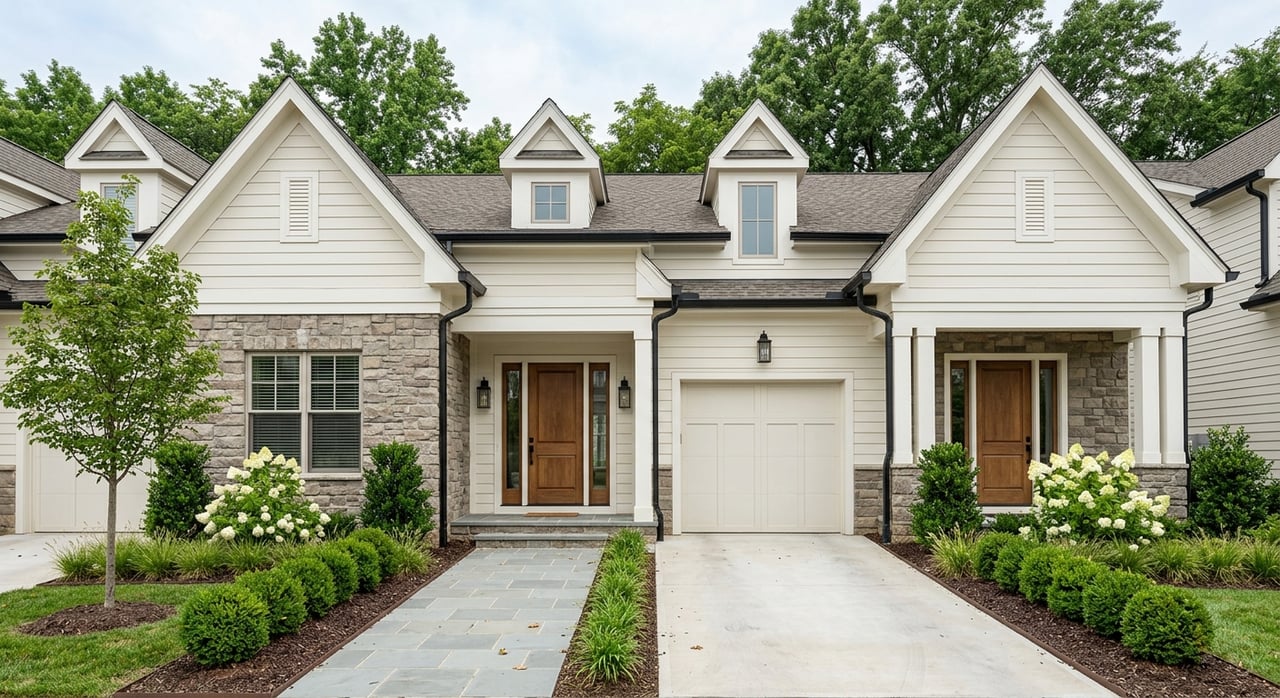
If keeping up with lawn work, snow removal, and exterior repairs feels like a second job, you are not alone. Many buyers in Lehigh County want a home that gives them more freedom and fewer weekend chores, whether they are downsizing, relocating, or simply trying to simplify daily life. The good news is that low-maintenance living can take several forms here, and knowing what to look for can help you choose the right fit. Let’s dive in.
Low-Maintenance Living in Lehigh County
Low-maintenance living usually means you own your home, but you share certain upkeep costs and responsibilities through an association. In Lehigh County, that often shows up in attached townhomes, condominiums, and planned communities where exterior work and common-area care are handled for you.
That setup can appeal to more than one type of buyer. It can work well for downsizers, busy professionals, relocators, and households that want convenience without giving up ownership. In a county where 65.6% of housing units are owner-occupied, there is already a strong base of homeowners looking for practical ways to simplify homeownership.
Lehigh County’s broader housing picture also supports this lifestyle. The median owner-occupied home value is $300,400, median monthly owner costs with a mortgage are $1,885, median gross rent is $1,383, and 18.3% of residents are age 65 or older. With a mean commute time of 24.9 minutes and 1,062 building permits issued in 2024, the market shows ongoing demand from both established homeowners and buyers seeking newer options.
Common Home Types You Will See
Townhomes With Included Exterior Care
One of the most common low-maintenance options in Lehigh County is the attached townhome. In many communities, the association handles lawn care and some shared exterior upkeep, which can reduce the amount of routine work on your to-do list.
This option is often a strong fit if you want a more traditional home layout with less outdoor responsibility. Some newer non-age-restricted townhome communities in the area are designed for buyers who want convenience without moving into a 55-plus setting.
Condominiums With Shared Maintenance
Condominiums are another common path to low-maintenance living. In a condo-style setup, the association typically manages common elements and uses assessments to pay for maintenance, repairs, and shared services.
That structure can make day-to-day ownership feel more predictable. Instead of handling every exterior issue on your own, you may be contributing through monthly dues to a budget that supports common-area work, reserve funding, and amenity operations.
Planned and 55-Plus Communities
Planned communities and age-restricted communities can offer one of the most complete low-maintenance packages. These communities often combine exterior upkeep with amenities such as clubhouses, pools, fitness spaces, and walking trails.
That does not mean low-maintenance living is only for retirees. In Lehigh County, you can find both age-restricted and non-age-restricted choices, which gives you more flexibility based on your stage of life and how you want to live.
What HOA Fees Often Cover
A monthly association fee is usually more than a simple maintenance charge. Under Pennsylvania law, condominium and planned community associations can adopt budgets for revenues, expenditures, and reserves, then collect assessments to cover common expenses.
For you as a buyer, that means the monthly fee may support a bundle of services. Depending on the community, it can include:
- Lawn care
- Landscaping
- Snow removal
- Trash collection
- Recycling service
- Common-area repairs
- Reserve funding for future projects
- Amenity operation and upkeep
The details matter because not every community defines maintenance the same way. One neighborhood may cover broad exterior services, while another may only maintain shared open space and entrances.
Why the Service Bundle Matters
The promise of low-maintenance living depends on what is actually included. If the association handles lawn care, landscaping, snow removal, and trash or recycling pickup, your day-to-day responsibilities may drop in a meaningful way.
If the fee covers only common landscaping, you may still be responsible for more exterior work than you expected. That is why the monthly fee should always be viewed alongside the list of services, not on its own.
Amenities can also shape value. In Lehigh County communities, public marketing materials often mention features like clubhouses, exercise rooms, pools, tennis courts, pickleball, bocce, walking and biking trails, libraries, theaters, steam rooms, patios, and billiards rooms.
What Pennsylvania Buyers Should Review
Pennsylvania gives buyers important documents that help clarify what they are buying into. For condominiums, a resale certificate is meant to disclose the monthly assessment, unpaid special assessments, proposed capital expenditures, reserve amounts, operating budget, insurance coverage, judgments, pending suits, and known violations or hazards.
For planned communities, a public offering statement must disclose projected budgets, reserve provisions, projected monthly assessments, certain fees due at closing, amenity completion, and responsibility for maintenance of facilities and amenities. These documents are especially useful when you are comparing two communities that seem similar on the surface but operate very differently.
The Pennsylvania seller property disclosure form also includes a section for condominiums and other homeowners associations. That makes association review a normal and important part of your due diligence.
Questions to Ask Before You Buy
The best questions are practical ones that connect directly to your lifestyle. Before you move forward, ask exactly who handles each part of the home and property.
A few smart questions include:
- Who maintains the roof?
- Who handles siding and gutters?
- Are windows covered or owner responsibility?
- Who is responsible for driveways and exterior painting?
- Is snow removal included, and where does it apply?
- Are trash and recycling part of the monthly fee?
- Are there any special assessments planned?
- How strong are the reserves?
- Are there pet, parking, rental, or age restrictions?
These are not small details. They shape your monthly costs, your daily routine, and how “low-maintenance” the home will really feel after closing.
New Construction Needs Extra Attention
If you are considering a newer community, ask about what has been completed and what is still planned. In some developments, the final amenity package or full maintenance scope may still be in progress.
Pennsylvania also gives buyers cancellation rights in certain cases if a required public offering statement is not delivered on time or is later amended in a material way. That makes document review especially important when you are buying in a community that is still being built out.
How to Compare Communities Clearly
When you are touring homes, it helps to compare communities using the same checklist each time. That keeps you focused on the things that affect convenience, monthly cost, and future maintenance exposure.
You may want to compare:
- Monthly fee amount
- Services included in that fee
- Reserve funding
- Current or planned capital projects
- Exterior maintenance responsibilities
- Amenity access and upkeep
- Rules that affect your daily use of the property
- Whether the community is age-restricted or open to all buyers
This kind of side-by-side review can make your decision much easier. A home that looks affordable at first may not be the best fit if the fee covers very little or if larger costs could surface later.
Finding the Right Fit in Lehigh County
Low-maintenance living in Lehigh County is not one-size-fits-all. For some buyers, it means a townhome with lawn care included and easy access to major routes. For others, it means a condo with shared amenities or a planned community where exterior work is largely handled through the association.
The right choice comes down to how you want to spend your time, what level of upkeep you want to avoid, and how comfortable you are with the rules and fee structure of the community. When you understand the documents, the services, and the long-term costs, you can choose a home that truly supports a simpler lifestyle.
If you are weighing low-maintenance options in Lehigh County, we can help you compare communities, review the practical tradeoffs, and find a home that fits how you want to live. Connect with Witt Real Estate Group to start your search with local guidance you can trust.
FAQs
What does low-maintenance living usually mean in Lehigh County?
- In Lehigh County, low-maintenance living usually means owning a townhome, condominium, or home in a planned community where an association handles some combination of lawn care, landscaping, snow removal, trash service, and common-area upkeep.
What do HOA fees typically cover in Lehigh County communities?
- HOA or association fees in Lehigh County often help pay for services like lawn care, snow removal, landscaping, trash or recycling, common-area repairs, reserve funding, and the operation of amenities, but the exact coverage varies by community.
What documents should buyers review for a Lehigh County condo or planned community?
- Buyers should review the declaration, bylaws, rules, resale certificate or public offering statement, and the seller property disclosure form so they can confirm fees, reserves, maintenance responsibilities, restrictions, and any planned projects.
Are low-maintenance homes in Lehigh County only for 55-plus buyers?
- No, low-maintenance living in Lehigh County includes both 55-plus communities and non-age-restricted options, including newer townhome communities that appeal to busy professionals, relocators, and downsizers.
What should buyers ask before choosing a low-maintenance community in Lehigh County?
- Buyers should ask who maintains key exterior items like roofs, siding, windows, gutters, driveways, and painting, along with whether there are special assessments, strong reserves, or rules related to pets, parking, rentals, or age requirements.