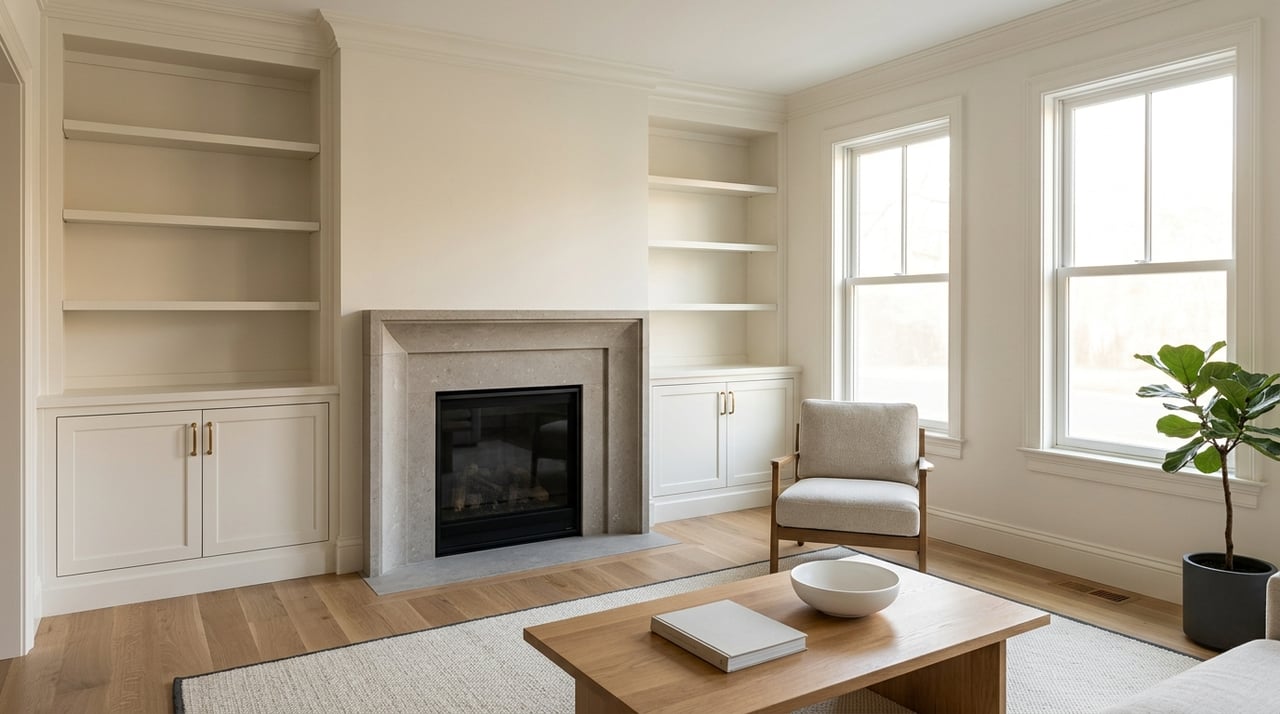
Selling a home in Allentown can move faster than many sellers expect. With local market trackers showing homes going pending in as little as 15 days and median time on market ranging from about 15 to 42 days depending on the source, you do not want to start preparing after your listing is already live. If you want less stress, stronger buyer interest, and a smoother launch, the best move is to get organized early. Let’s dive in.
Why prep matters in Allentown
Allentown is still a relatively fast-moving market, but that does not mean every home sells the same way. Public market data shows a wide range in inventory and days on market, while sale-to-list ratios sit near 1.00, which tells you pricing and presentation still matter. In a market like this, buyers notice condition quickly and compare homes online before they ever schedule a showing.
Local differences inside the city matter too. Realtor.com’s Allentown overview shows neighborhood-level variation, with Center City and the West End posting different median prices and different median days on market. That is why your preparation and pricing plan should reflect your specific area, not just a citywide average.
Allentown’s housing stock also adds another layer. According to the City of Allentown Housing Plan, homes in and near downtown tend to be older, and the city has a higher share of rowhomes and smaller units. Older homes can absolutely sell well, but they usually benefit from more attention to maintenance, systems, and documentation before listing.
Start weeks before listing
One of the biggest seller mistakes is waiting too long to begin. In a market where buyers move quickly, your first week on the market carries a lot of weight. If your home is not ready when photos are taken or showings begin, you may miss your strongest window of attention.
A smart timeline is to begin preparing several weeks before your target list date. That gives you room to handle small repairs, gather paperwork, clean thoroughly, and plan marketing assets without feeling rushed. It also helps you launch with more confidence.
Do a buyer-eye walkthrough
Before you spend money, walk through your home like a buyer would. Start at the curb, then move room by room and pay attention to anything that looks worn, crowded, dated, or unfinished. The goal is not perfection. The goal is to spot distractions that could affect a buyer’s first impression.
As you walk through, make a simple list in three groups:
- Must repair
- Nice to improve
- Leave as is
This step is especially useful in older Allentown homes, where deferred maintenance can add up over time. A dripping faucet, peeling paint, loose railing, or damaged trim may seem minor to you, but buyers often read visible issues as signs of larger upkeep concerns.
Fix visible defects first
Once you have your list, focus on the repairs buyers are most likely to notice. Pennsylvania sellers are required to disclose known material defects, and seller prep should include more than cosmetics. According to Pennsylvania law on seller disclosure, the seller is responsible for the accuracy of the disclosure statement, and it must be delivered before an agreement of sale is executed.
That does not mean you need to renovate everything. It does mean you should address obvious issues where practical and be ready to document what you know. Common pre-listing fixes include:
- Leaky faucets or running toilets
- Loose handles, hinges, or railings
- Missing caulk or cracked grout
- Burned-out light bulbs
- Chipped paint or scuffed walls
- Damaged flooring or torn screens
- HVAC or plumbing concerns you already know about
For many sellers, this step creates a cleaner showing experience and fewer avoidable questions later.
Gather disclosures and records early
In Allentown, paperwork can be just as important as presentation. The Pennsylvania property disclosure form covers issues like drainage, flooding, termites, plumbing, heating and cooling, easements, hazardous substances, and more. If your home is older, these topics may be especially relevant.
Before listing, gather records you may already have, such as:
- Utility or system service records
- Roof, HVAC, or water heater invoices
- Radon test results or mitigation records
- Termite treatment paperwork
- Survey or easement documents
- Receipts for recent improvements
If your home was built before 1978, federal rules also require lead-based paint disclosure. The federal lead-based paint rule requires sellers and agents to provide known lead hazard information and the lead pamphlet before the sale.
Radon deserves attention too. The Pennsylvania DEP says the state has one of the most serious radon problems in the country, and about 40% of homes test above the EPA action level. If you have prior radon results or mitigation documentation, pull those together before your home hits the market.
Deep clean the whole home
Cleaning is one of the highest-impact prep steps because buyers can see and feel it right away. According to the National Association of Realtors staging report, 88% of sellers were advised to clean the entire home, and 77% were advised to improve curb appeal. A clean home signals care, which helps buyers feel more comfortable.
Focus on the details that show up in person and in photos:
- Baseboards and trim
- Windows and mirrors
- Kitchen counters and appliance fronts
- Bathroom tile, glass, and fixtures
- Floors, rugs, and stair edges
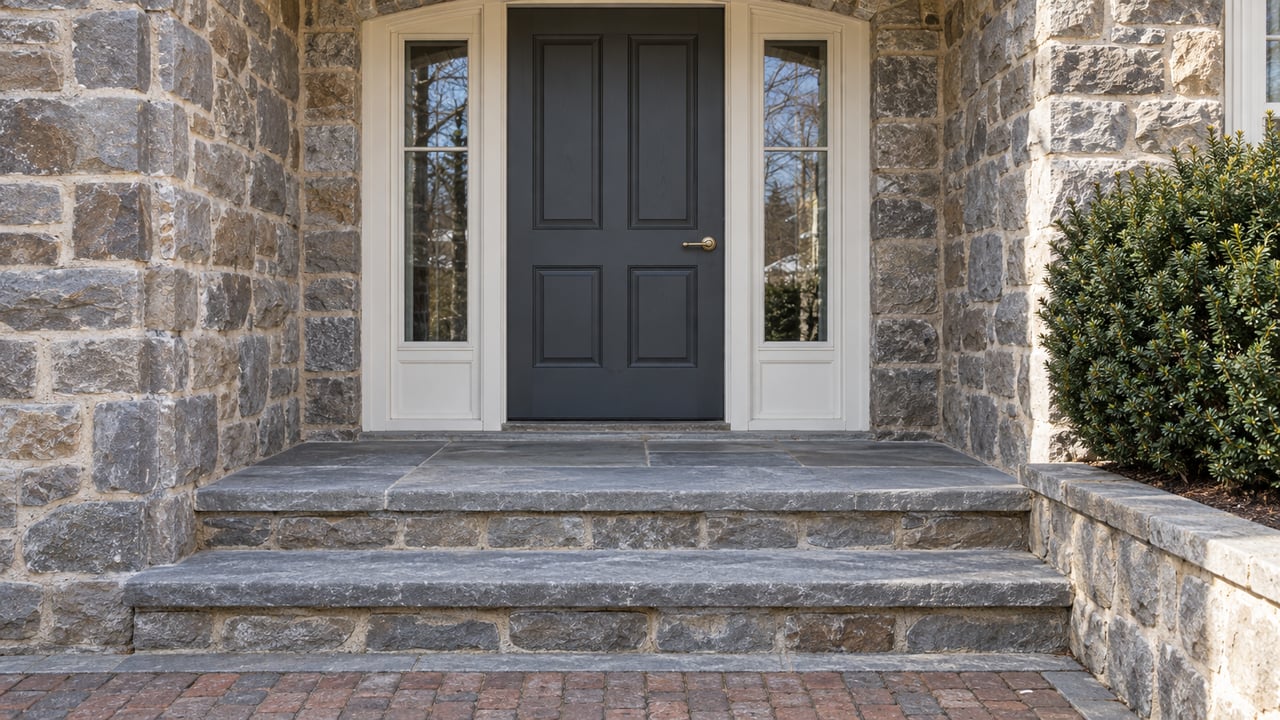
- Entry doors and front porch areas
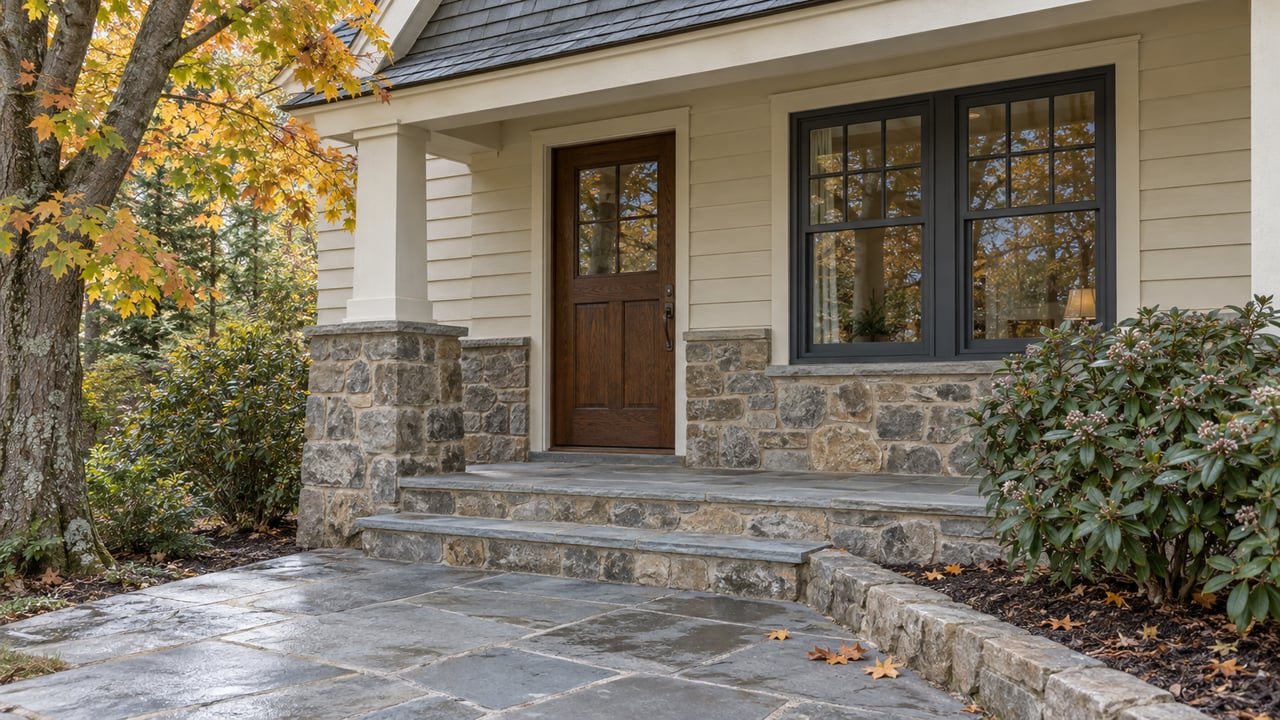
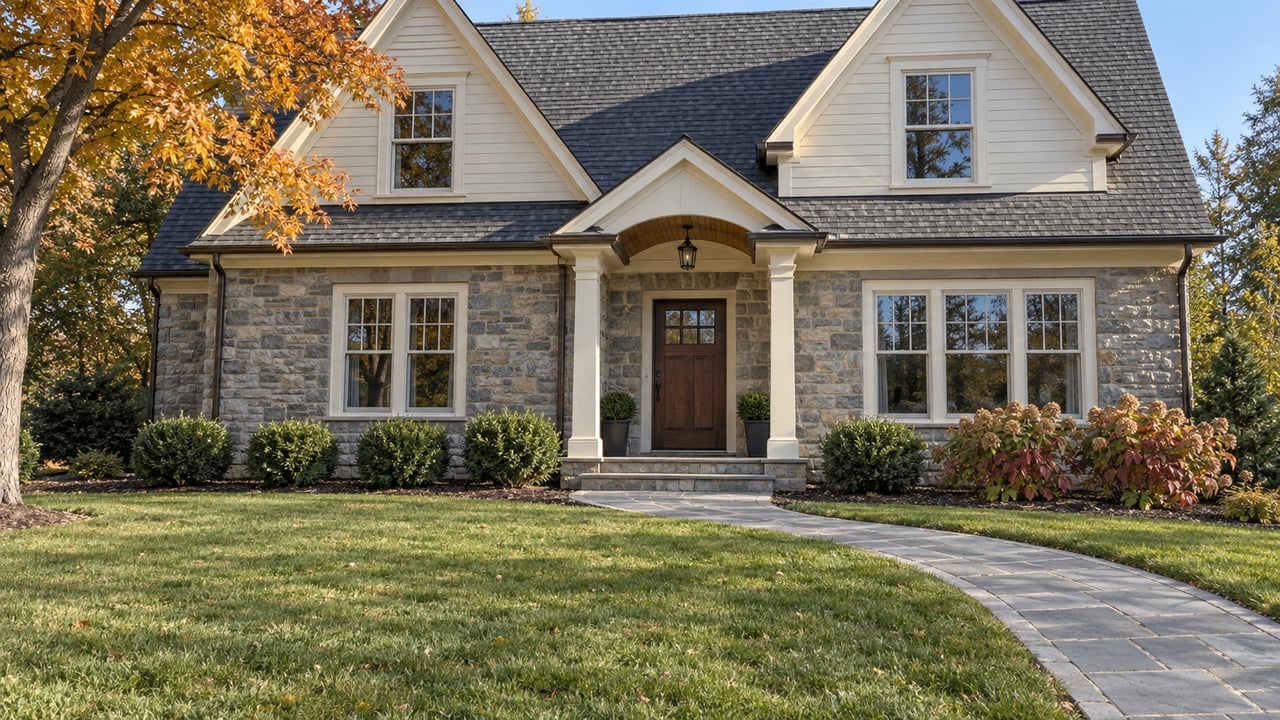
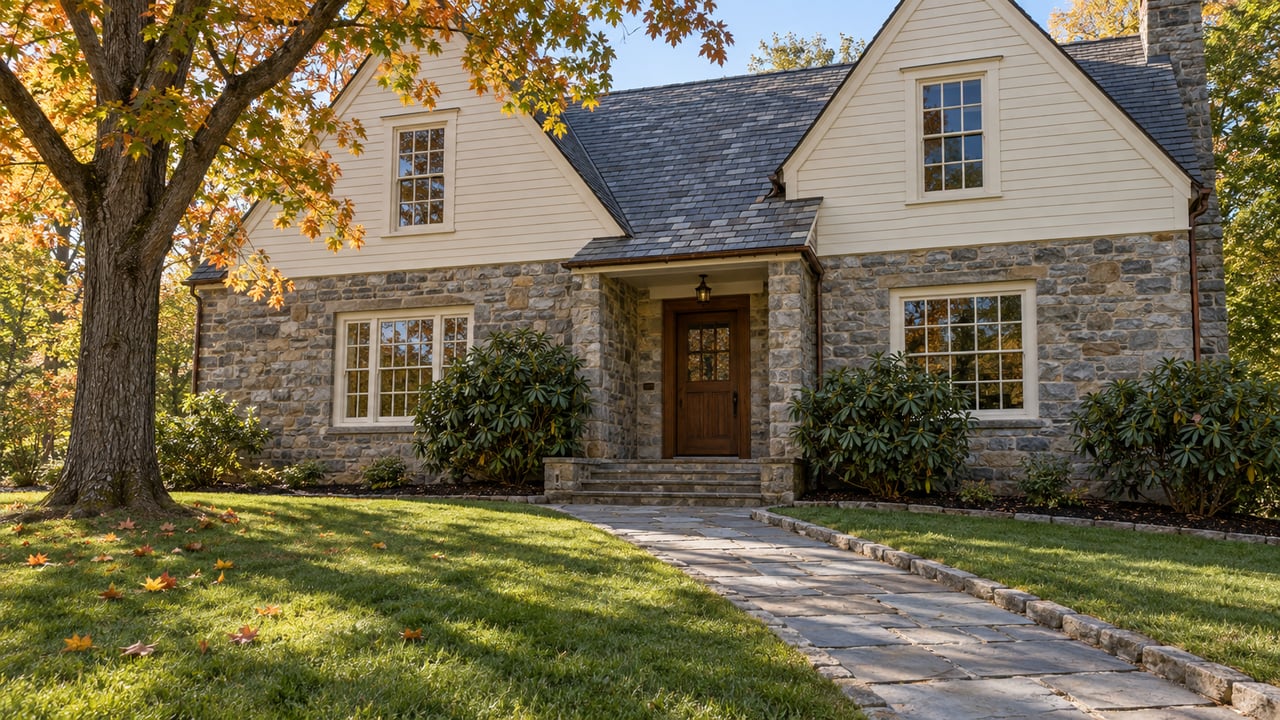
Outside, keep it simple and tidy. Sweep walks, trim landscaping, remove debris, and make sure the front entry feels inviting.
Declutter and simplify rooms
If you only do one prep task before listing, make it decluttering. The same NAR report found that decluttering was the most common recommendation, at 91%. Less visual clutter makes rooms feel larger, brighter, and easier for buyers to understand.
Start with surfaces, then closets, then storage areas. Remove excess furniture if a room feels tight. Pack away personal collections, extra décor, and anything that distracts from the space itself.
A good rule is this: keep enough in the room so it feels lived in, but not so much that buyers feel like they are walking through your daily life. That balance helps photos look cleaner and showings feel calmer.
Stage the rooms that matter most
You do not always need to stage every room. In many homes, the best return comes from focusing on the spaces buyers care about first. NAR reports that the living room, primary bedroom, and kitchen or dining areas are the rooms most often staged.
Staging is not about making your home look fancy. It is about helping buyers understand scale, flow, and function. NAR found that 83% of buyers’ agents said staging made it easier for buyers to picture the property as a future home, and 49% of sellers’ agents said staging reduced time on market.
That matters in Allentown, where buyers may be comparing older homes with different layouts and levels of updating. Clean furniture placement, good lighting, and a simple layout can make a home feel more usable and more memorable.
Price by neighborhood, not headline averages
Preparation is only half the job. Pricing needs to reflect your location, condition, and competition. In Allentown, neighborhood-level differences are meaningful, and broad city averages can miss the mark.
For example, Realtor.com’s market overview for Allentown shows noticeable differences between neighborhoods in both pricing and days on market. A home in the West End may compete in a very different price and pace range than a home in Center City. That is why a neighborhood-specific comparative market analysis is so important.
This is where a structured listing process helps. At Witt Real Estate Group, we believe pricing should support your launch, not work against it. The strongest strategy usually combines local comparables, property condition, buyer expectations, and a marketing plan designed to create maximum early exposure.
Plan photos and marketing last
Once repairs, cleaning, decluttering, and staging are done, then it is time for photography and launch. This order matters. If you shoot too early, your marketing may not reflect the home at its best.
That is especially important because buyers often start online. NAR reports that 43% of buyers first looked online for homes, and buyers’ agents say photos, videos, virtual tours, and staging are highly important to their clients. Strong visuals are no longer optional. They are part of how buyers decide whether to visit at all.
A polished launch often includes:
- Professional photography
- Well-prepared key rooms
- Clear listing copy
- Coordinated online exposure
- A plan for showings and buyer follow-up
This is also where our team’s listing-first approach and 20 Step Marketing Plan are built to help. When your home is fully ready before it goes live, the marketing has a better chance to do what it is supposed to do: attract attention, build trust, and create momentum.
Your pre-listing checklist
If you want a simple way to stay on track, follow this order:
- Walk through the home with a buyer’s perspective.
- Make a repair list and fix visible issues.
- Gather disclosure information and service records.
- Deep clean the entire property.
- Declutter and simplify each room.
- Stage the main living spaces first.
- Finalize pricing based on your neighborhood and condition.
- Schedule professional photos and launch only when the home is presentation-ready.
That sequence gives you a practical path from “thinking about selling” to “ready for market.”
If you are preparing to sell in Allentown, the right plan can make the process feel much more manageable. From pricing and pre-listing guidance to professional presentation and launch strategy, Witt Real Estate Group helps you prepare with clarity and confidence.
FAQs
What should I do first before selling my home in Allentown?
- Start with a buyer-eye walkthrough so you can spot visible repairs, clutter, and presentation issues before setting your list date.
How far in advance should I prepare to sell a home in Allentown?
- It is smart to begin several weeks before listing so you have time for repairs, cleaning, staging, paperwork, and marketing preparation.
What rooms should I stage before listing a home in Allentown?
- Focus on the living room, primary bedroom, and kitchen or dining areas first, since those are the spaces most often staged.
Do Pennsylvania home sellers need to complete property disclosures?
- Yes. Pennsylvania sellers must disclose known material defects, and the completed disclosure form must be provided before an agreement of sale is executed.
Should I gather radon or lead paint records before listing a home in Allentown?
- Yes. If you have prior radon test results, mitigation records, or lead-related documentation for a pre-1978 home, gather them before listing.